add

Showing posts with label Digital Marketing. Show all posts

22 Proven Ways to Monetize Your Facebook in 2026 (Zero Investment Required)


22 Proven Ways to Monetize Your Facebook in 2026 (Zero Investment Required)

Facebook is no longer just a place to upload photos or like your friends' posts. If you play your cards right, your newsfeed can transform into your most significant source of income. In 2026, Facebook’s algorithm is more supportive of small creators than ever before.

Below is a detailed breakdown of 22 highly effective strategies you can start today without any massive upfront investment.


Group 1: Content is Cash (Direct Ad Revenue)

This group focuses on creating engaging content to build an audience and earn directly from Facebook's in-stream ads and Reels monetization.

  1. Facebook Reels: Create short, entertaining, or educational videos to generate steady Ad Revenue.

  2. Motivational Quotes: Produce visually appealing quote videos featuring high-quality AI voiceovers.

  3. Real-Life Stories: Share inspirational and relatable stories from everyday life.

  4. Daily News Summaries: Use AI tools like ChatGPT to write quick, engaging summaries of the day's top news for quick reads or short videos.

  5. Country Facts: Create informative content highlighting bizarre, unknown, or fascinating facts about different countries.

  6. Bedtime Story Pages: Launch a page dedicated to children's stories—this is a highly demanding and rapidly growing niche.

  7. How-To Tutorials: Demonstrate simple life hacks, cooking recipes, room organization, or quick technical fixes.

  8. Photo + Wisdom: Pair breathtaking landscape photography with deep, life-oriented captions to organically grow a page.

  9. Daily Tips: Share practical, everyday advice on topics like health, productivity, or studying.

  10. Celebrity Stories: Create captivating mini-documentaries or posts about the biographies and lesser-known facts of famous personalities.

Group 2: Affiliate Marketing (No Inventory Hassle)

Want to sell without the headache of stocking products? Affiliate marketing allows you to earn commissions simply by recommending items.

  1. Links Under Viral Posts: Drop relevant affiliate links in the comment sections or descriptions of trending, high-traffic posts.

  2. Honest Reviews: Share genuine, hands-on reviews of products you actually use, accompanied by your affiliate link.

  3. Budget Finds: Create listicles or videos featuring the "Top 5 Useful Items Under $10" (or your local equivalent).

  4. Must-Buy Videos: Showcase unique, highly practical gadgets for the home or office.

  5. Experience Reviews: Share your personal experiences with helpful services or apps and suggest them to your followers.

  6. Discount Codes: Partner with online stores to share exclusive coupon codes, earning a commission every time someone uses your code.

  7. App and Tool Reviews: Review productivity and workflow apps that help people get things done faster.

  8. AI Tool Comparisons: With the current AI boom, creating content that compares the best AI tools on the market is a guaranteed traffic driver.

  9. Online Course Recommendations: Share links to high-quality courses or skill-building platforms.

  10. Thrift Flip Reviews: Show the process of upcycling old or thrifted items to look brand new and link to the tools you used.

Group 3: Direct Selling (Quick Income)

If you need cash flow quickly, direct selling utilizes Facebook's existing commerce tools to connect you with buyers instantly.

  1. Facebook Live Dropshipping: Go live to showcase products and take orders directly from viewers, fulfilling them via dropshipping without ever holding inventory.

  2. Facebook Marketplace: Declutter your home and list unused or unnecessary household items on the Marketplace for quick, local sales.


The Golden Rule for 2026

Do not try to do all 22 things at once.

Pick just 1 or 2 ideas from this list and stay strictly consistent for the next 30 days. The real secret to succeeding on Facebook this year is building genuine trust with a targeted audience.

For the official guidelines on how to get paid directly by the platform, visit Facebook's Official Monetization Rules.

The opportunity is right at your fingertips—you just have to start. Save this guide for your next brainstorming session and share it with anyone looking to build a digital income from home!


Share:

Buy virtual visa card or Shopping card

  A virtual visa card or a Shopping card is a Visa debit card. usable for making a payment to purchase something from a store. ex. Amazon. This a Virtual visa card best use is to purchase something on the internet. You can make a purchase from any online store using the card. it has $10-500 available balance by default.


CLICK HERE TO BUY & READ MORE

PLAY GAMES    NEWS WORLD24

Share:

The Importance and benefits of a Website for your Business

The Importance and benefits of a Website for your Business


In today’s age of digitalization, simply having an offline business is not enough; it's essential to also have an online presence. One key way to establish that presence online is through a well-designed website.


In this competitive digital world, a business website is irreplaceable for promoting and expanding your business. Additionally, it enhances your brand's visibility and presence, which helps build trust and confidence in your brand among people.


You might be surprised to know that by 2024, there will be over 1.92 billion websites worldwide, with approximately 252,000 new websites created daily. If websites weren't necessary, such a staggering number wouldn't be created daily.


Having a business website is crucial if you are an entrepreneur or a business owner. Just having a Facebook page is not enough for long-term success.


In this article, we will explore all the details regarding a business website from start to finish.


### What is a Website and a Business Website?


A website is a collection of web pages, videos, audio, images, or any type of information stored on a specific web server that can be accessed from anywhere in the world via the Internet. Simply put, a website refers to the collection of web pages, videos, images, audio, and other digital information hosted on a web server, viewable through a domain.


For example, when you type “facebook.com” in your browser, what do you see? Of course, Facebook. This is a website. Similarly, if you search for "uylab.org," you can access the UY Lab website. In essence, whatever you see after entering a domain name in a search is considered a website. Websites created for business purposes are referred to as business websites, and their interfaces differ slightly from normal websites.


When we enter a URL in a web browser, the visual display we see is essentially the homepage of that website. Additional pages are added to this main page to create the complete website.


A website is an HTML document stored on a web server on the Internet, containing various elements like text, video, or images. This document can be accessed through a web browser using the HTTP/HTTPS protocol.


Essentially, a website is a visual online page that describes products or services for global reach, either for personal or business expansion.


### Types of Websites


Websites are generally of two types:


1. **Static Website**: These websites have content that cannot be changed while browsing. They are made using HTML, CSS, and JavaScript.


2. **Dynamic Website**: These websites allow content to change while they are online or during browsing. Examples include news portals, blogs, e-commerce sites, e-learning, and community forums.


### Why is a Business Website Necessary?


Currently, there are more than 1.92 billion websites globally, of which 71% belong to small business owners. Approximately 70-80% of potential customers can be lost without a website. About 68% of companies have increased their sales through their business websites.


Additionally, having a business website builds credibility for you and your business, enhancing brand awareness. Therefore, to solidify your position in this competitive market, a business website is indispensable.


First impressions are critical for attracting consumers to products. 57% of customers tend to avoid businesses that do not have a business website.


A recent report indicates that more than 88% of businesses with websites can be easily found by their customers in a short time. Imagine you have high-quality products. While these products may be on Facebook Marketplace, people familiar with Google searches will struggle to find your products if you don’t have a well-designed business website listing them. This clearly indicates that without a website, you risk losing potential customers.


### How to Create a Business Website?


Creating a website is a step-by-step process requiring technical knowledge. Here’s a detailed overview of how to create a quality website:


1. **Domain Hosting**: Every webpage is stored on an online server. Domain and hosting are required to display web pages to traffic or visitors. The website's name and address (URL) are known as the domain, which helps in locating a specific website among millions online.


   Hosting is where all website files are stored, known as a server. After purchasing a domain, it must be connected to hosting. When a user enters the domain name in a web browser, it sends an HTTP/HTTPS request to the hosting, displaying the desired webpage.


2. **Platform Selection**: Websites can be either static or dynamic. You can create custom websites or CMS-based websites. In a custom system, you can code in any programming language to create webpages and upload them to the server. Alternatively, using a CMS like WordPress allows you to easily install ready-made themes or templates to build a website. After securing domain hosting, you should decide which method to use for creating your website.


3. **Control Panel**: The control panel is where you manage your website’s hosting dashboard. It contains all types of technical data and settings for the website. From the control panel, you can upload, download, and delete all your website's content and theme files, along with many important settings, including security settings.


4. **Website Design and Development**: Website design and development are crucial. The design determines how the site appears to visitors, and it plays a significant role in the website's purpose and success. Meanwhile, the entire website's performance depends on its development, ensuring it runs smoothly 24/7 and can incorporate new features.


5. **Website Publishing**: Once all the above tasks are completed, your website will be ready for publishing on the Internet. After testing and fixing all bugs, you can write and publish content online. This process begins by indexing the website in search engines, allowing people to visit your site through Google or Bing.


### Benefits of a Business Website


A company grows when its customer base increases, and a website plays a significant role in this. Any business can use a website at a minimal cost to expand its operations. No matter where you look in the world, you won’t find more customers than you can gather online. A website can manage everything from promotion to operations.


For example, look at “Daraz”! You can see how big and profitable a site can become.


Having a business website allows you to easily offer all your services to customers. For instance, if you have expertise in a specific area, you can offer all related services through a website. In this way, your website will serve as a brand, allowing you to offer services easily.


Having a website builds trust in your brand among customers, increasing the likelihood of them buying your products. Visitors can easily view and learn about your products or services from anywhere at any time.


A website has become a symbol of trust in the current online sector. When someone searches for something and finds your site with all the relevant information, it undoubtedly builds trust in you, enhancing your brand value.


### Virtual Store


If you have a physical store, customers must visit to shop. However, with a website, customers can purchase from anywhere without needing to visit your store. You can sell products from anywhere, whether a customer is in Dhaka or elsewhere. You can even sell products internationally. Through a website, you can conduct business globally.


### Building Brand Image


When your website gains recognition among people, you can achieve brand value. The more brand image you build, the better it will be for your business.


### Saves Time and Effort


If you present all information beautifully and optimize it on your website, you will save a lot of time. Customers can visit your website, enter their address, name, email, and other necessary information to place orders without your involvement. However, on a Facebook page, this is not possible; you would need to call each customer to confirm orders and gather all information.


But with a website, there’s no need for all that hassle.


### Communication with Customers


A website creates a way for your customers to connect with you. You can provide a contact form or chat system for customer inquiries and feedback. This gives customers the feeling that they can reach out to you anytime.


### Service Information


Detailed information about services or products can be provided on the website. This allows customers to learn about how services work and why they are important. Product or service descriptions, pricing, package offers, security policies, and other related information become easily accessible to customers.


Bill Gates once said, “If your business is not on the Internet, then your business will be out of business.”


### Importance of a Website


Some key importance of a website for a business includes:


1. **Pixel Setup**: If your website has pixel setup, you can easily track visitor behavior, their needs, and interests regarding various products.


2. **Data Analysis**: After setting up the pixel, you can easily analyze your website’s data to find out which demographics are visiting which pages.


3. **Audience Retargeting**: With pixels, you can retarget your customers based on their interests and demographics for future sales campaigns.


4. **Dynamic Marketing**: Having a website allows you to track visitor activities, perform retargeting, and engage in dynamic marketing, leading to increased sales. A business website reduces marketing costs, which helps you grow your customer base efficiently.


Now you understand why a business website is essential for your business. So, to expand your business and achieve more profits, you should create a professional website. The demand for websites will continue to grow in the future, and all businesses or official tasks will likely be website-based. Therefore, using a website in the digital age to reach out to people is unprecedented.

To Create your Business website Contact with Me

Share:

Introducing My New Project "Bistro Boss Restaurant" - a delightful restaurant website built with React!


I am very excited to announce the launch of my latest project, Bistro Boss Restaurant. This dynamic website serves as an elegant online platform for showcasing a restaurant and its offerings. Made by using React, Bistro Boss delivers a seamless and interactive user experience that truly captures the essence of its culinary establishment.

To Visit My Bistro Boss Restaurant Website: Click Here

If you need any kind of website, please contact me. I am a certified Web Developer and Digital Marketer. Expert in WordPress, PHP, HTML, CSS, BOOTSTRAP, JavaScript, React, Social media marketing, Seo, and Link Building. I Have experience over the past 2 years in web development and 3 years in Digital marketing. working with a number of clients with reliability, proficiency, and 100% satisfaction. I completed long training about that from the most reliable organization in the city. My first priority is client satisfaction and It’s being done successfully. I am committed to better online services for you.

Order Now On Fiverr


Share:

Built your Website by Freelanser Nizam

 Web development is the process of creating and maintaining websites. It involves a combination of front-end and back-end development, which involves writing code to create the look and feel of a website as well as the underlying functionality.

Front-end web development focuses on the user interface and user experience. This involves the design of the website, the layout of the pages, and the functionality of the elements on the page such as buttons and links. Front-end developers use technologies like HTML, CSS, and JavaScript to create the visual elements of a website.

Back-end web development focuses on the underlying functionality of a website, such as the ability to save and retrieve data from a database. This involves writing code in languages such as PHP, Ruby, or Python to create the server-side functionality of a website.

Web development has become increasingly important in recent years with the rapid growth of the internet. A well-designed and functional website can be a powerful tool for businesses and individuals looking to establish a presence online.

One of the main challenges in web development is keeping up with the constantly evolving technology. New programming languages and frameworks are constantly being developed, and web developers must be able to adapt to these changes in order to stay current.


Looks at some of my Projects: Visit my Portfolio

Another challenge in web development is the need for accessibility and compatibility. Websites must be accessible to users with disabilities and must be compatible with a wide range of browsers and devices. This requires web developers to be mindful of the technologies they use and to test their websites on a variety of platforms.

Despite these challenges, web development is a rewarding field with many opportunities for growth and advancement. Whether you are interested in building dynamic and interactive websites or developing the underlying functionality of a site, there is a place for you in the world of web development.

In conclusion, web development is a dynamic and constantly evolving field that requires a combination of technical skills and creative thinking. Whether you are a beginner or an experienced developer, there is always something new to learn and new challenges to overcome. With the right training and dedication, anyone can become a successful web developer.

If you need any kind of website please contact me or Click Here

Share:

WELCOME TO FREELANCER NIZAM


Welcome to Freelancer Nizam

Hi! I am Nizam, I am a certified Web Developer and Digital Marketer. Expert in WordPress, PHP, HTML, CSS, BOOTSTRAP, JavaScript, Social media marketing, Seo, and Link Building. I Have experience over the past 2 years in web development and 3 years in Digital marketing. working with a number of clients with reliability, proficiency, and 100% satisfaction. I completed long training about that from the most reliable organization in the city. my first priority is client satisfaction and It’s being done successfully. I am committed to better online services for you.

ORDER NOW


Share:

I will do wordpress theme installation demo import and customizations


I will do wordpress theme installation demo import and customizations

About This Gig

<<<<<Welcome to my WordPress theme customization Service Gig>>>>>>>>>


Are you looking for a qualified web developer for WordPress installation, theme setup, demo import, and customization? If your answer is yes! This is the right place for you. I am a WordPress expert I can do WordPress installation, demo import & customization of WordPress themes perfectly.


What can I do for you?


  • Installation of your Themeforest or any WordPress theme


  • Demo imported exactly what you choose


  • Customizes logo, Font, Size & Colors


  • Manually customization of your required demo theme as what you are looking


  • Create responsive Website
  • Update content and much more.


Why did you choose Me?


  • Quick Response


  • Delivery on time


  • 100% Satisfaction


  • Lifetime support


  • Quality work


  • Unlimited revisions


ORDER NOW ON FIVERR


YOUR SATISFACTION IS MY GOAL


Share:

Create a Wedding Registry before the Wedding

 Create an Amazon Wedding Registry before the Wedding


A bridal registry or wedding registry is a service provided by a website or retail store that assists engaged couples in the communication of gift preferences to wedding guests. Selecting items from store stock, the couple lists desired items and files this list with the chosen merchant. The list is then made available to wedding guests, either by the couple's family or by the merchant. Upon the purchase of a listed item, the merchant updates the gift registry accordingly. In addition to providing valuable information for the buyer, the system helps prevent the receipt of duplicate or unwanted gifts, potentially saving time for both the giver and recipient.

The Chicago-founded department store Marshall Field's first instituted the practice of a bridal registry in 1924 at its Marshall Field and Company Building as a means for the engaged couple to indicate chosen china, silver, and crystal patterns to family and friends. US-based Target stores pioneered the electronic self-service gift registry in 1993, using a service provided by The Gift Certificate Center of Minneapolis. William J. Veeneman (the founder and CEO of The Gift Certificate Center) and others invented and subsequently patented the technology.

Since the turn of the 21st century, the traditional concept of the bridal registry has evolved. As of 2015, there are now more specialized versions such as the honeymoon registry, baby registry, house registry, and charity registry. Additionally, there are registry services that allow registrants to place items from many stores on a single registry (commonly called Universal Registries).

In the UK, bridal registries are more commonly known as Wedding Lists. It is common for couples to send out a copy of their Wedding List details with their wedding invitations. There has also been a recent trend towards gift-list services that allow the couple to add almost anything to their gift list—such as contributions to their honeymoon, flights, or experience days, as well as traditional gifts from any store.

During the last couple of years, bridal registries have become popular across Europe. Since an increasing number of Europeans study or work abroad at some point in their life, European weddings tend to have international guests. European registry services often account for this by being multi-lingua

Recommendations:

Create a registry on Amazon that celebrates who you are as a

couple. Shop the world's largest selection to find

everything you need to build your new life together.

Click here to Create an Amazon Wedding Registry


Share:

Best Smartphones for any budget in 2021

 These are the best smartphones for any budget in 2021


We Recommend the best smartphones whether you're into phone photography, flashy features or a power user who just needs the battery life.

What can you expect from a new phone in 2021? There are three real areas of improvement if you have a good amount of money to spend.

5G is now the standard for most of the best smartphones around, with Apple and, even, budget phones now releasing devices with the tech on board. The infrastructure has a way to go but it’s becoming a future-proofing necessity. Phone cameras continue to improve, with even better low-light images. And there are now more phones that offer quality zoom for great photos at 5x and 10x magnification.

This has been a good year for Apple in the performance stakes, bringing speed that wipes the floor with Androids in many cases. Its strengths are also arguably more in line with what people actually care about. iPhones now last longer between charges and there are great options for those who don’t want to spend the big bucks, with the iPhone 12 Mini and iPhone SE.

You won’t get much of this tech if you have $234.40 to spend but there are some great options at this price point and the mid-range that make clever compromises. A cheap phone will often last a lot longer between charges as there is less pressure to make them super-slim, and some of their components drain less power. While Google’s Pixel devices regularly feature some of the best cameras around, without requiring upwards of $937.

We Recommend perennial Huawei is out of the running as its top phones no longer have Google apps. But read on to find strong alternatives from fellow Chinese manufacturers like Xiaomi, Oppo and OnePlus.

In particular, this leaves the Android fight down to Samsung Galaxy S21 Ultra and OnePlus 9 Pro, in a punch-up for the most technologically accomplished Android phone – with the Oppo Find X3 Pro just falling short of this list. Samsung wins for camera quality, but OnePlus is all over the rest and is cheaper. Those out to spend less should consider the Pixel 5 and the standard Samsung Galaxy S21, both of which offer 90% of the substance of the most expensive models at a lower price.

What is the best smartphone in 2021?

The Apple iPhone 12 ($795.79) is the We Recommended best smartphone you can buy right now. It’s a true step up for Apple’s popular smartphone range. A new design, boosted performance from the new 5nm A14 Bionic and OLED displays across the whole range make for an iPhone that is truly worth ditching your old one.

View the Apple iPhone 12  on Amazon

Most Popular

Samsung Galaxy S21 Ultra ($1049.99) is our pick for the best Android phone around and it’s premium Android bliss. 
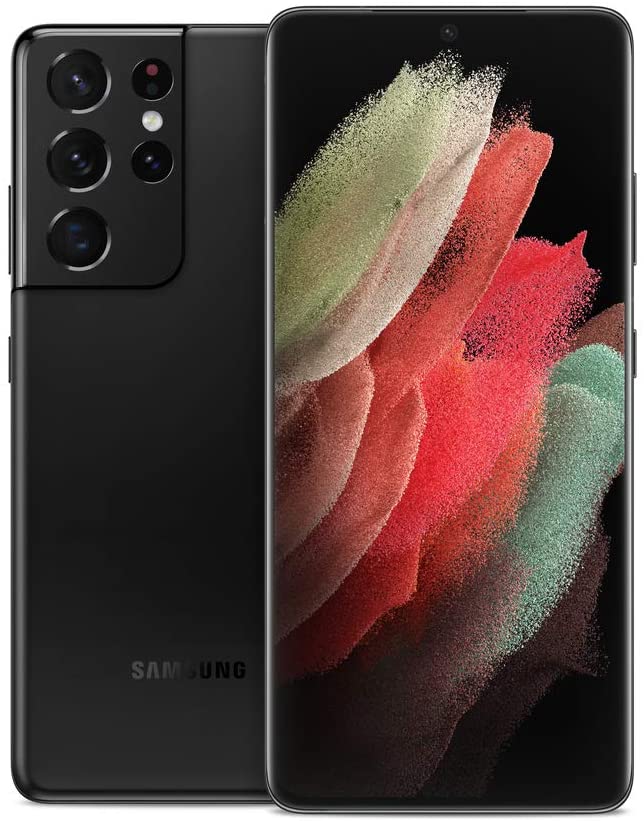
Screen: 6.2in 2400 x 1080 AMOLED | Processor: Exynos 2100 | Battery: 4000mAh | Camera: 12MP, 64MP telephoto, 12MP ultrawide | OS: Android 11 | Weight: 169g | Charging: 25W wired, 15W wireless

The new Galaxy S21  marks a shift in Samsung’s thinking for how it positions its flagship phone. The new S21 is closer to the paired back Galaxy S20 FE of last year rather than its predecessor – but, ultimately, that’s no bad thing.

While the front of the Samsung Galaxy S21 looks much the same as last year, including the selfie camera position, the 2021 Galaxy S range has had one of its more significant shake-ups around the back. Samsung led the way in the curved glass-sandwich trend, leading to many Android devices having a similar look. With the S21, you now get a “glasstic” back – which does basically feel like plastic – along with a camera module design that gently merges into the side of the phone.

Some may baulk at the lack of a glass back when they are forking out upwards of $700 but, from not really damaging it in the looks department to doing a better job of batting away fingerprints, it’s not a bad thing. Samsung has also gone a tad more extravagant with the colours this year and, while they can look a bit garish on online images, our Phantom Violet model is eye-catching in all the right ways.

You won’t run into any performance hurdles with the Galaxy S21 either, tackling almost anything you can throw at Android with no sign of wavering. You can bounce around from social media app to watching videos and taking pics in a flash. While the performance speed is best-in-class, the software experience is still less clean and snappy than the likes of the iPhone 12 and Pixel 5.

Nevertheless, the apparent speed gets a further bump due to the 120Hz refresh rate of the display, making scrolling gloriously smooth. The AMOLED panel also brings a 2400 x 1080 resolution to the table, offering bright and crisp images across all your day-to-day apps and videos that look extremely vivid. The only performance-related hiccup you’ll notice on a regular basis is the rear of the phone getting a tad warm when you push this device a bit – it’s not concerning or uncomfortable but it is noticeable.

As a point and shoot phone, the Galaxy S21 does an amazing job – it will make the average user produce snaps far better than what you might expect. It really gets the basics right, even if Samsung’s signature saturated look still lingers so personal taste will be a factor here. Move up a layer of complexity and the results remain impressive, portrait mode accurately finds its subject – providing blurs and enhanced sharpness in all the right places – while night mode nails it too, upping the brightness and not losing too much detail.

Ultimately, it’s a camera experience that offers a tad more tinkering than the iPhone or simpler interfaces like the Pixel 5’s, if that’s your sort of thing. However, while providing good results, the camera upgrades this year are minimal – this, combined with some just okay new features like Single Take and a camera app UI that isn’t the most fluid, means it doesn’t offer a huge reason to upgrade.

The camera isn’t the only thing that will make owners of more recent Galaxy S and Note models less inclined to upgrade. The display, despite still being impressive, does have a reduced resolution from last year and the phone does feel less premium in the hand. Nevertheless, the shrewd phone buyer will appreciate some of the sacrifices the Galaxy S21 has made to offer a lower price and, in the performance and looks department, it more than holds up.

Pros: Impressive versatile camera; vivid 1080p display; reinvigorated design 

Cons: Gets warm on back; some reduced features from S20

Price: $1049.99 | Check price on Amazon

Samsung Galaxy Note 10

OnePlus 9 Pro

A superfast powerhouse with a gorgeous display
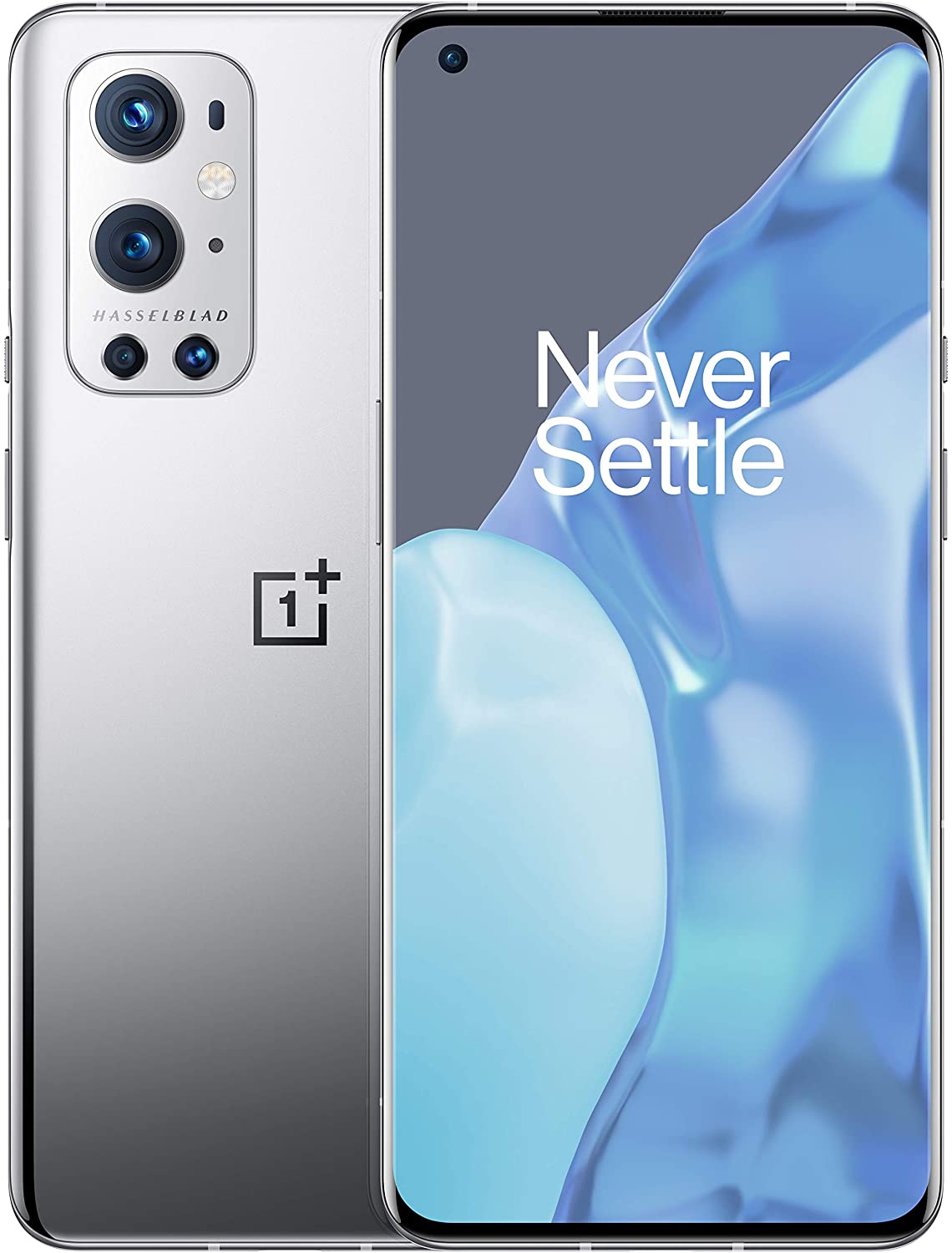
Screen: 6.7in 3216 x 1440 Fluid AMOLED | Processor: Snapdragon 888 | Battery: 4500mAh | Camera: 48MP main, 50MP ultra-wide, 8MP tele, 2MP mono | OS: OxygenOS (Android 11) | Weight: 197g | Charging: 65W wired, 50W wireless

Since growing beyond its original “flagship killer” moniker, OnePlus has become a reliable alternative to the big Android hitters – in particular, the best Samsung has to offer each year. The OnePlus 9 Pro (from $999.99) is no different – offering many of the top-tier flagship features you expect from an Android flagship at a price that undercuts tough competition like the Galaxy S21 Ultra.

If you’re at all familiar with recent flagships from OnePlus 9 Pro, you won’t need me to tell you that you’ll have few worries when it comes to performance. OxygenOS and upwards of 8GB RAM squeezes every drop of speed out of the Snapdragon 888.

These powerhouse capabilities are now presented on a stunning QHD Fluid AMOLED display – offering remarkable detail and vibrant colours. You also get a 120Hz variable refresh rate, meaning you get delightfully smooth browsing and gaming along with clever tech to stop these extra demands from draining your battery life.

The OnePlus 9 Pro isn’t just remarkably speedy but it’s also the manufacturer’s best-looking phone yet. Many OnePlus phones could be described as functional and, often, this provided a decent alternative to rivals. With the OnePlus 9 Pro, the new device does look more in line with what’s on offer from competitors like Samsung and Xiaomi but its’ take nails it. The camera module is coloured to blend in with the colour of the phone – a choice between Pine Green, Stellar Black and Morning Mist – while the layout of the lens themselves manage to add to the classy look of the rear of this device. It looks stunning.

Despite all those positives, much of the marketing of the OnePlus 9 Pro wasn’t focused on these. Instead, the big push was in relation to its partnership with camera veterans Hasselblad. Unfortunately, the results are negligible and awkward. For the most part, you’ll get decent results that are similar to the OnePlus 8 Pro – average zoom capabilities, plenty of details and fairly punchy colours. However, the 9 Pro has a strange tendency to offer up quite varied contrast – even in similar scenarios – and this can make your results an unknown quantity. But you should be able to get your shot right after a couple of tries.


Pros: Understated, stylish design; extremely fast charging; great display

Cons: Hasselblad partnership isn’t all that

Price: From $999.99 | Check price on Amazon |  

Google Pixel 5

A very agreeable mid-range phone


Screen: 6.0in 2340 x 1440 OLED | Processor: Snapdragon 765G | Battery: 4000mAh | Camera: 12.2MP main, 16MP ultrawide | OS: Android 11 | Weight: 151g | Charging: 18W wired, 12W wireless

Let’s be honest, the Pixel 4 wasn’t Google at its best. The Pixel 2 was revered and the Pixel 3 had plenty good to say about it too – however, a phone hamstrung by power battery life and some superfluous features followed. The Pixel 5 (£599) aims to correct these mistakes by paring things back.

If you’re considering a Pixel then you’re likely here to hear about its camera chops – having received praise for several years even on its cheaper devices like the Pixel 4a (below). With the Pixel 5, Google has finally taken the plunge and doubled up the lenses. Despite the added lens, there’s much the same to say about this Pixel’s camera abilities as year’s past – it’s remarkably easy-to-use while its colour accuracy and level of detail is premium flagship standard. In truth, the ultra-wide camera is a tad disappointing given Google’s camera prowess, falling well below the standard of the iPhone 12, S21 Ultra and OnePlus 8 Pro. Still, it does an amazing job at the basics.

The software experience is another recurring feather in the Pixel range’s cap and it mostly returns here. The interface remains delightfully simple. The Google-averse might feel a bit overwhelmed by the focus on its own apps like Docs, Sheets, Drive and more but their appearance won’t surprise anyone picking up this Google flagship phone.


While the performance is generally speedy, the Snapdragon 765G isn’t up to what you get from last year’s Snapdragon 865 or this year’s new 888 and Apple A14 Bionic. The average user won’t be perturbed by milliseconds added to app loading times but those tempted by a phone that’s cheaper than Samsung and Apple’s latest flagships may want to reconsider if they are still hoping for premium flagship performance.

Like the Pixel’s photo-taking, the display favours accuracy over much else. The lifelike colour of this 90Hz FHD+ OLED is quite impressive and, ultimately, refreshing compared to Samsung and OnePlus flagships which can feel like they opt for eye-catching over accurate imagery. The Pixel 5 display does flatter to deceive when it comes to brightness – you might struggle to view this display in direct or, even, middling levels of sunlight – a problem that’s a thing of the past for the iPhone 12, Galaxy S21 series and other Android flagships.

Sure the Pixel 5 doesn't match an iPhone 12 or Samsung Galaxy S21. What it does feel like, though, is a phone that provides a safe haven from higher flagship prices – whether it’s budget phone fans looking to step up or premium phone owners who don’t want to shell out top dollar again. Admittedly, a reduction in flagship prices in early 2021 has hurt the case for a Pixel 5. However, a more manageable size and top-performing camera might still be enough to grab plenty of attention.

Pros: Great for one-handed use; easy-to-use camera with stunning results; a breezy OS experience 

Cons: Price runs close to more premium rivals; sub-flagship performance

Price: £599 | Check price on Argos | Currys | Google

Apple iPhone SE 2020

Our pick for a budget small phone

Screen: 4.7in 1334 x 750 IPS LCD | Processor: A13 Bionic | Battery: 1821mAh | Camera: 12MP | OS: iOS | Weight: 148g | Charging: 5W, supports 18W

Apple’s smaller iPhone is back. One of the specs of this phone sounds copy-pasted from five years ago. A 4.7-inch screen phone released in 2020? That’s right.

The iPhone SE 2020 (£398) is a small-screen phone with a 16:9 aspect ratio, a shape you no longer see in Androids. It makes the phone look dated, but the display size is larger than you might guess, with a width similar to a 5.5-6-inch Android. Anyone suggesting you can’t comfortably play games or watch YouTube videos at this size has not tried an iPhone SE.

Other parts of the phone are excellent at the price. The iPhone SE is no less well-made than the iPhone 11, with aluminium sides and glass panels on front and back.

Its camera is excellent too. The iPhone SE has just one 12-megapixel sensor on the rear, but as it shares its hardware with the other 2020 iPhones, image quality is excellent across the board. Google’s Pixel 3a and 3a XL are the only obvious phones that can compete with it for low-light image quality at this level. And both of those Androids are plastic.

The iPhone SE’s power can only be underestimated too, as it has the same Apple A13 Bionic SoC as the iPhone 11 Pro Max. This phone may look like it belongs in 2015, but it will stay fresh in other respects for years.

It is also a reminder of how great the Touch ID sensor was. And is. This fingerprint scanner, the precursor to Apple’s face unlock, has a lovely haptic click and works every time.


You can argue the iPhone SE is for people who don’t care much about the tech inside, but it’s also a surprisingly good buy for those who do. There’s one other weakness: the iPhone SE battery life is not as good as the iPhone 11’s.

Pros: Speedy performance; timeless Apple design; great camera 

Cons: Battery life isn’t great

 | Check price on Amazon

Google Pixel 4a

Photography on a budget
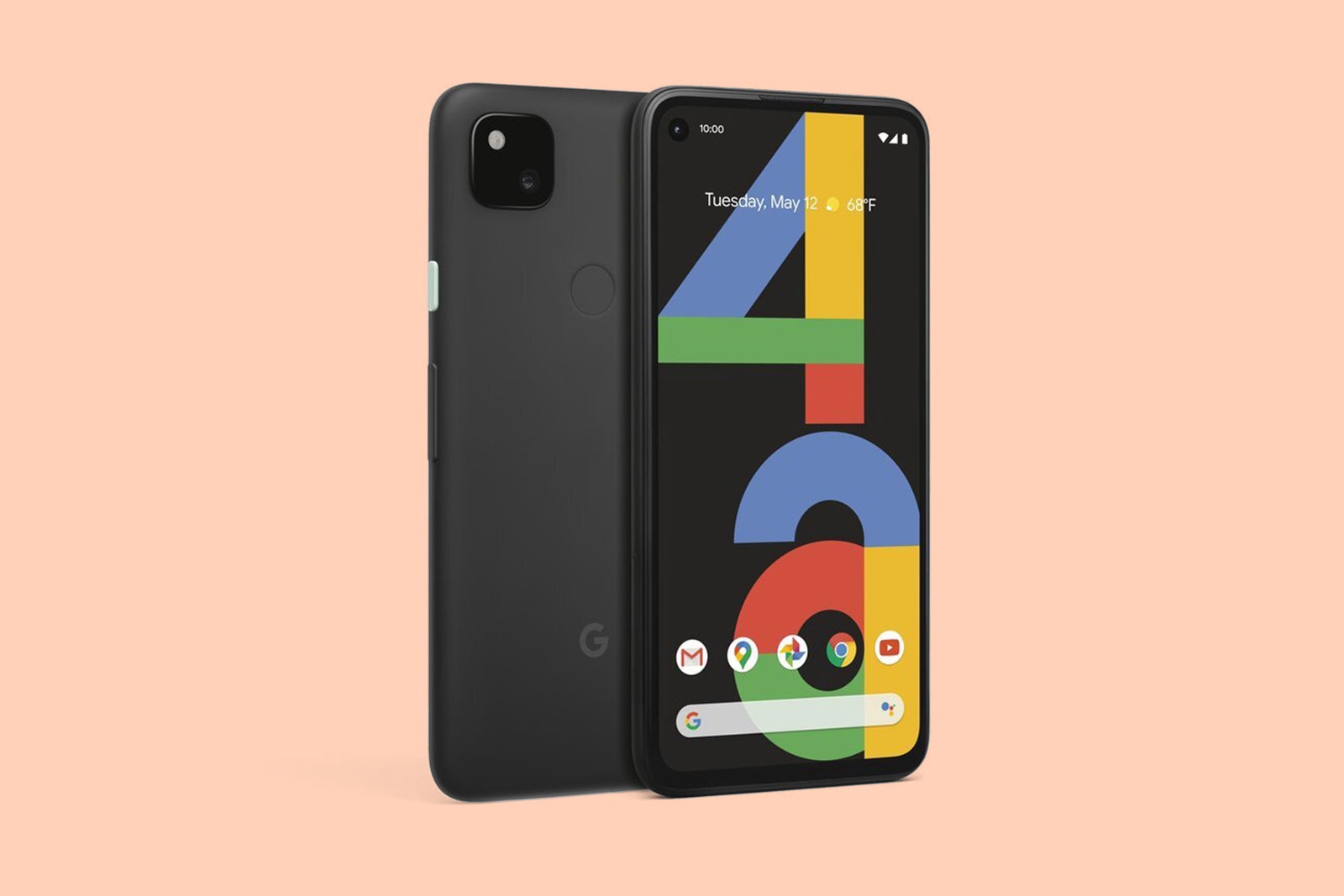
Best Smartphone 2021 12 best phones to buy

Screen: 5.8in 2340 x 1080 OLED | Processor: Qualcomm Snapdragon 730G | Battery: 3140mAh | Camera: 12MP | OS: Android 11 | Weight: 143g | Charging: 18W

The Pixel 4 was Google phones at their worst – a high price and smatterings of iPhone mimicry that just didn’t deliver. Thankfully, Google drew on the excellent Pixel 3a for its next phone. Google Pixel 4a (£319) is a budget phone that absolutely nails a fluid software experience while offering remarkable photography performance for this low price.

The first thing you’ll notice about the Pixel 4a is that it isn’t as imposing as many current phones, it isn’t as miniature as smaller iPhones like the SE and 12 mini but it’ll still be a refreshing change for many. The budget market is rife with phones that seem to compensate for their lesser features by slapping on a huge display. Instead, the Pixel 4a is smaller but still a decent 5.8-inches and its extremely crisp, using OLED tech and offering Full HD resolution.

Above all, the Pixel 4a is the budget phone to consider if you’re a frequent picture taker. Google’s honing of its camera software means it can achieve stunning results with just one lens – front camera and back. The 12.2MP camera offers both electrical image stabilisation (EIS) and optical image stabilisation (OIS) as well as phase detection autofocus. While these features are handy for a speedy point-and-shoot experience, the quality of the images speaks for itself too – providing detailed and vibrant snaps.

The no-frills approach to the camera extends to the rest of the device too but, for some, it may not be for the best. The basic design is refreshing and certainly won’t offend anyone but the plastic finish is a tad underwhelming. Then, there’s a lack of certain features like wireless charging, an IP rating for waterproofing and the ditching of the Pixel 4’s motion-sensing tech – maybe that last one is for the best.

At a price below £350, the Pixel 4a is an easy budget recommendation for users who care about their photos but don’t want to spend the earth. If you want more in terms of features, you’ll have to stump up for the Google Pixel 5 or look to other brands.

Pros: Amazing camera for the price; streamlined Google experience; comfortable to hold 

Cons: Missing some modern features

 Check price on Amazon 

Sony Xperia 1 III

An alternative pick for camera aficionados
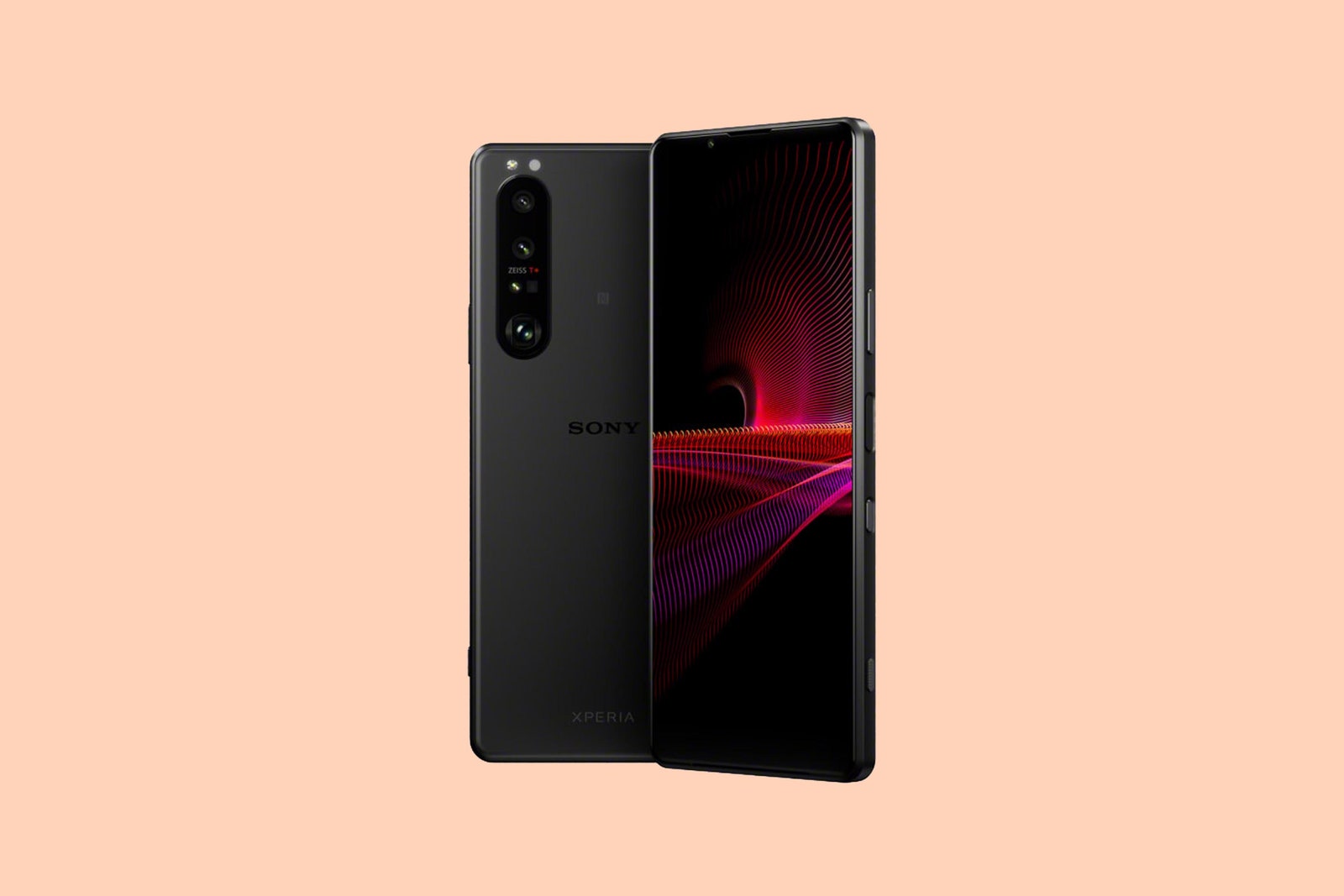
Image may contain Cell Phone Electronics Mobile Phone Phone and Computer

Screen: 6.5in 3840 x 1644 OLED | Processor: Snapdragon 888 | Battery: 4,500 mAh | Camera: 12MP/12MP wide/12MP tele | OS: Android 11 | Weight: 186g | Charging: 30W

For better or worse, there’s nothing else on the market like the Xperia 1 III (From £1,199). That means, for a small niche, this phone will have been what they’ve been waiting for. But, for most, it’ll be too expensive and out-of-the-box.


The Soney Xperia 1 III has the same tall and slim look as its predecessors, offering up that wide 4K display experience on a phone – about as cinematic as you can get on a portable device. Its flat metal sides predate the iPhone 12 and, combined with its luxurious matte back panel, provides one of the most stylish phones around right now – even if the top and bottom bezels do leave a bit to be desired. The inclusion of a 4K display is impressive and, while it looks great, a better battery via a QHD (1440p) display would’ve been perfectly fine. Admittedly, Sony likely wants you to be able to showcase all your 4K video recording right on the device, so it does have a leg to stand on there.

It is the camera that many will be coming to this phone for, going all in on making this a feature-rich device for photography lovers. The camera app of the Xperia 1 iii will let you tweak to your heart’s content ahead of a shot and then get things right in post. The standout camera hardware feature is the periscope variable optical zoom. The results you can get up to 12.5x zoom are impressive, providing enough detail to offer up decent shots. If you rein it in a tad, 5x zoom provides zoom shots that aren’t all that far behind regular snaps from this phone’s toughest competitors – like the iPhone 12 Pro Max.

Sony offers up other neat touches for those looking to use this as a fully-fledged media and creation tool – with a headphone jack retained and microSD card slot (or room for a second sim). Unfortunately, the Xperia 1 III remains hamstrung by a price that doesn’t match up to rivals who offer better day-to-day performance and battery life.

Pros: A unique and luxurious look; camera features for days; best-in-class zoom

Cons: Screen gets warm to the touch; multi-window not intuitive; 4K is overkill

Price: $999.95 | Check price on Amazon

Android or iPhone – which is better?

For one such broad category and another product ecosystem that can demand (or encourage) such fierce loyalty, the choice between them has no easy answer. Android offers a remarkable range of prices, designs and feature sets. If you opt for Android, you’re opting for choice. On the Apple side of things, your hand is held a bit more – choices are made for you, but this can often being simplicity and reassurance.

However, these factors aren’t exclusive. For example, Samsung provides high-quality products of its own and works to provide its own version of an ecosystem with a wide range of products. On the other hand, Apple now produces cheaper devices in the form of the SE range. There’s a ton of factors to be weighed up, and phones should be taken on a case by case basis.

Do I need wireless charging?

For most phones right now, wireless charging is pretty slow and inefficient. So, it comes down to whether you want the convenience of just laying your phone down on a pad for a small boost or to leave overnight. If you want fast charging, stick to wired.

How much battery life do I need?

The amount of battery life you want on a phone really depends on what type of user you are and how much you value performance compared to battery life. In 2021, you can pick up phones that should last you well into a second day, but these will mostly be budget phones. While some top phones will just squeeze you into a second day, many will be flagging at nighttime or, if you’ve had an intense day browsing or gaming, will require charging in the late afternoon.

Taking all this into account, you should avoid phones that tout less than 8 hours of battery life. Then, you should go for the device with the most battery life possible within your other requirements – charging every night isn’t out of the question these days but anything more than that does feel like a hassle. Moreover, if you’re an intensive user on a day-to-day basis (5+ hours of screen on time or a couple hours of gaming), then battery life should definitely be of high priority or you will be reaching for a charger far too often.

How much storage do I need?

With iCloud, Google Drive/Photos, Samsung Cloud and more becoming more accessible, having on device storage does feel like less of a priority for buying a phone in 2021. Instead, it comes down to feeling like you are getting enough bang for your buck. The majority of flagship phones start with 64GB storage, which is the sweetspot for those who want a decent amount of room for plenty of apps and photos/videos on device. However, ultra-premium device, with their high-price tags – devices like Galaxy S21 Ultra and iPhone 12 Pro Max – start with 128GB storage. That starting amount seems fair given the price you are paying, so don’t accept less around $1172 and up. Where you can accept lower storage is at budget prices, especially if you aren’t someone who takes a tons of photos or needs many apps. While 64GB will give you comfortable headroom, users who want to spend less than £400 on a phone can get by with 32GB. No matter the device storage, always make sure to take advantage of cloud storage where its available to you, with many offering free space up to a point.     

Thanks For Reading

MOBILE MART


Share: